Search Results
Search this site
350 results found with an empty search
- Good Light Group’s 6th strategy day sets vision for the future
On March 11th, the Good Light Group held its 6th Strategy Day, was an inspiring and energising meeting, featuring both constructive and engaging discussions. The day was filled with constructive discussions, valuable insights, and a shared commitment to driving positive change. During the wrap-up, the group identified four key focus areas that will guide the group’s efforts moving forward: Strategic Partnerships: Collaborating with like-minded organisations to amplify the group’s message and expand its reach. Media & Public Engagement: Leveraging (social) media and public-facing initiatives to enhance involvement and awareness. Impact & Value Creation: Transitioning from storytelling to demonstrating tangible economic benefits. Future-Proofing the Group: Ensuring long-term sustainability by securing financial and human resources. This strategic roadmap underscores the Good Light Group’s commitment to growth, impact, and lasting change. With renewed energy and a clear direction,we are ready to take the next steps toward a future where good light benefits everyone. What’s Next? In the coming weeks, the Board will refine action plans with input from our Science Advisors, Participants, and Partners. We will keep you updated on this process and welcome your contributions and ideas. If you would like to be involved in shaping the next steps, please reach out, your support makes a difference!
- Lighting Design for Health, Wellbeing and Quality of Light, A Holistic Approach to Integrative Lighting
The International Association of Lighting Designers ( https://www.iald.org/ ) published on 28th February 2025 a white paper entitled ‘Lighting Design for Health, Wellbeing and Quality of Light, A Holistic Approach to Integrative Lighting’. It was written by the IALD’s European Regulatory Affairs Working Group with assistance from members of The Good Light Group’s WG Science ( https://www.goodlightgroup.org/ ). AI generated picture This paper is a comprehensive re write of IALD’s previous paper on the subject published in 2018. The past 7 years have seen substantial new work on the topic and a certain stabilisation of the metrics and recommendations for the non visual effects of light. In addition there is new knowledge relating to the beneficial non visual effects of Infra Red and Near Infra Red radiation. Everyone involved with lighting from practitioners like manufacturers and lighting designers to end-users and Human Resource / Occupational Health organisations are realising the importance of light in its complete spectrum, meaning toward the IR and UV ends and not just the visible wavelengths, for healthy and happy lives in the 21st Century, where so much time is spent indoors and isolated from natural light. This paper identifies existing published guidance on the topic including discussion of WELL standards and DIN/TS 67600:2021. It also provides guidance for implementation as part of a considered architectural lighting design. The white paper includes references to relevant published papers to allow practitioners to develop strong design arguments for the consideration of non visual benefits of good light. A blog by: Kevan Shaw ( EFLA | Kevan Shaw Lighting Design ) Download here
- Morning daylight routine
How to have a perfect start of the day for numerous benefits for both your mental and physical health. Photo by Emma Simpson on Unsplash Why is morning daylight so important: Boosts mood and energy: morning daylight helps increase the production of serotonin , a hormone that boosts mood and energy levels, making you feel happier and more productive throughout the day. Regulates sleep-wake cycle: exposure to natural light in the morning helps regulate your circadian rhythm, ensuring you feel alert during the day and sleepy at night. Enhances focus and productivity: natural light has been shown to improve cognitive function, helping you stay focused and productive. Reduces stress: spending time in natural light can reduce stress and anxiety levels, promoting a sense of calm and relaxation. A perfect morning light routine: Morning walk: take a walk outside for at least 30 minutes. Breakfast by the window: enjoy your breakfast within one meter of a window. Outdoor exercise: do your morning workout or yoga session outside. Commute on foot or bike: if possible, walk or bike to work or school. Make morning daylight a part of your daily routine and experience the positive impact on your mood, energy, and overall health. Don’t forget to be outside or in light that compensates for the lack of daylight for at least two hours daily! Start your routine tomorrow and feel the difference!
- The fourth step to good light
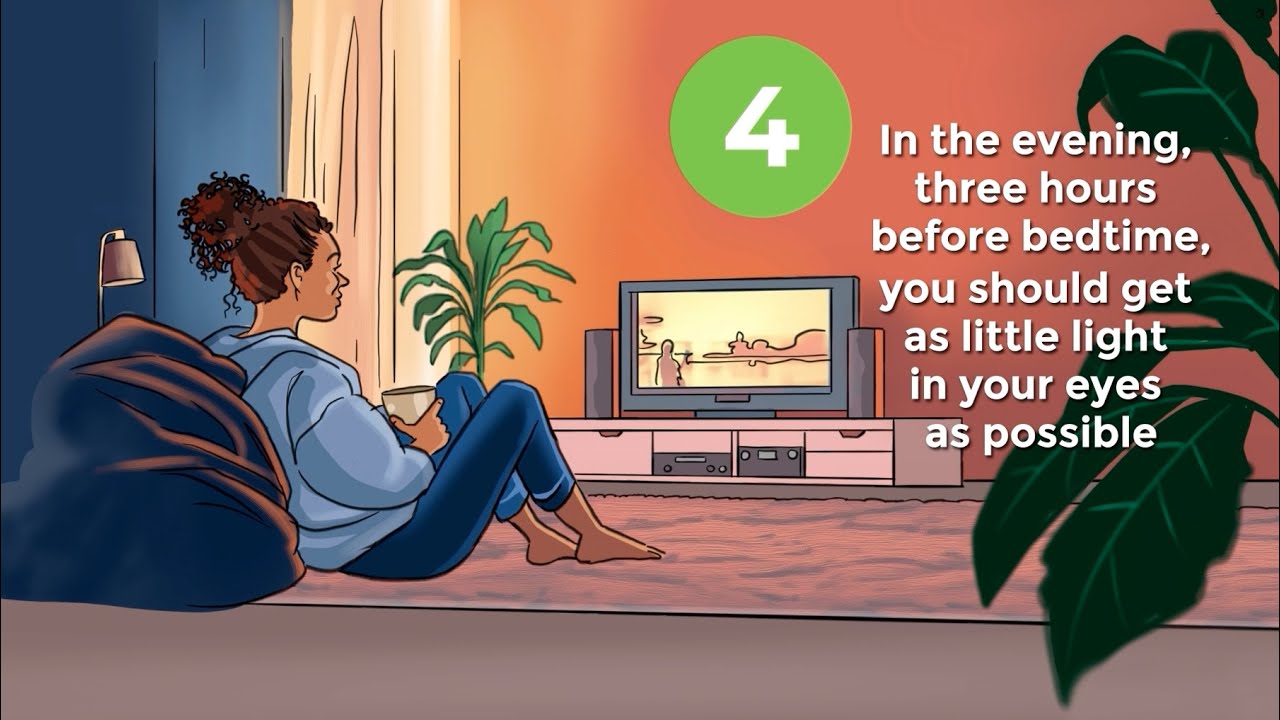
This is the fourth and last step towards living a healthier and happier life. The secret to feeling more awake during the day and sleeping better at night might be simpler than you think, good light! Our fourth step to good light : About three hours before bed, minimise bright light exposure. Dim the lights, avoid screens, and give your body the signal that it’s time to wind down. This helps you sleep better, wake up refreshed, and feel more energised the next day. Follow our first three steps to good light to increase your exposure to natural light during the day. This helps regulate your body's internal clock, improving mood, focus, and energy levels.
- The first step to good light
This is the first of four steps towards living a healthier and happier life Exposure to natural daylight is vital for your well-being. We recommend spending at least two hours outdoors each day, ideally including at least 30 minutes in the morning. Daylight is unique due to its intensity and dynamic shifts in colour throughout the day. These qualities help regulate your circadian rhythm, which influences sleep quality, mood, and overall health. Making outdoor activities a priority or simply stepping outside each morning can be a powerful step towards a healthier lifestyle! If you want to bring good light in your life, watch our latest videos, click here: Try | Home | Good Light Group | Foundation Light supports us in everything we do. Good light has a great positive impact on our experience of energy, sleep, happiness and health.
- The third step to good light
This is the third of four steps towards living a healthier and happier life. Feeling tired and unfocused at work? Poor lighting might be the cause. Without the right light, your brain thinks it’s time for bed, making concentration harder. This also affects your sleep at night. This video covers the third step to good light, essential when you're indoors and away from windows. IInstall high-quality electric lighting to compensate for the lack of natural daylight. Ensure your eyes receive at least 500 lux during the daytime. This helps your brain stay in sync with natural light, improving focus and sleep. If you want to bring good light into your life, explore the other steps to a healthier and happier life here: Home | Good Light Group | Foundation . Light supports us in everything we do. Good light has a positive impact on our energy, sleep, happiness, and health.
- The second step to good light
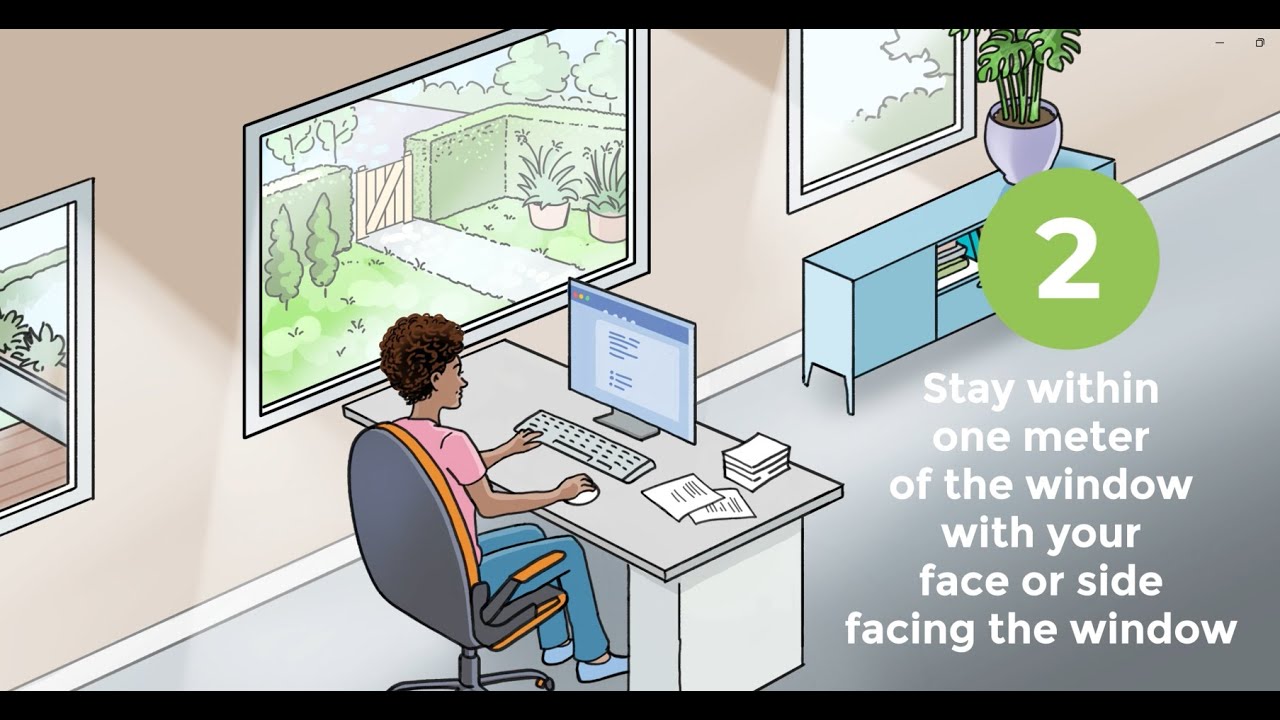
This is the second of four steps towards living a healthier and happier life. Beating the winter blues and living a healthier and happier life starts with making the most of natural daylight. Exposure to natural light plays a vital role in mental well-being, especially during the darker, shorter days of fall and winter when sunlight is limited. Sitting within a meter of a window allows you to absorb as much natural light as possible. Making daylight exposure a priority can be a simple yet effective way to boost your overall well-being. If you want to bring good light into your life, explore the other steps to a healthier and happier life here: Home | Good Light Group | Foundation . Light supports us in everything we do. Good light has a positive impact on our energy, sleep, happiness, and health.
- Good Light Group meeting #21
On 6 February, we held our 21st Good Light Group meeting. The session kicked off with a brief progress update from Jan Denneman on our ongoing initiatives. This was followed by presentations from Virginie Gabel and Lawrence Lin, wrapping up with a Q&A session. All presentations are online now! Watch the Good Light Group news Virginie Gabel, Clock&Me Can we live without light? Light plays a crucial role in regulating our circadian rhythm, it is the most powerful cue for our body's internal clock. But what happens when humans are deprived of the natural day/night cycle? Discover the biological rhythms of 14 individuals who spent 40 days living in a cave. Watch the presentation of Virginie Gabel Lawrence Lin, CEO and Founder of Lighting Recipe Studio Design logic for healthy indoor lighting The concept of healthy lighting is designed to create an environment that reduces circadian phase disruptions, enhances sleep quality, and positively influences mood and productivity. Let's go through the logic behind. Watch the presentation of Lawrence Lin
- Feeling down?
Light regulates our biological clock, aligning our body's rhythm with the time of day. This enhances sleep quality, boosts energy, and improves well-being. Natural daylight and high-quality electric lighting that compensates the lack of natural daylight help maintain a healthy sleep-wake cycle. Morning daylight is especially crucial, signaling the brain to synchronize our circadian rhythm. If you want to bring good light into your life, explore the other steps to a healthier and happier life here: Home | Good Light Group | Foundation . Light supports us in everything we do. Good light has a positive impact on our energy, sleep, happiness, and health.
- Save the date! deLIGHTed Talks #8, Good Light - Good Sleep
Together with the Society for Light, Rhythms, and Circadian Health (SLRCH) , the Daylight Academy (DLA) , the International Association of Lighting Designers (IALD) and Luger Research (LR) , we are organising and presenting the ‘deLIGHTed Talks’ lecture series. The lectures are free to attend. SAVE THE DATE: 24 April 2025 (4 PM CEST) The registration link will follow soon. In today’s fast-paced, tech-filled world, artificial light is everywhere, and it’s having a bigger impact on our sleep than we might realize. Getting the right kind of light at the right time is key to keeping our body’s internal clock, or circadian rhythm, on track. Not enough light in the morning or too much in the evening can throw off our sleep, make it harder to stay alert, and even affect our productivity. Join us as we explore how the right lighting can optimize melatonin production, support restful nights, and enhance overall well-being. More info
- Sleepy when you want to work
Our biological clock, known as the circadian rhythm, responds to the day and night cycle, influencing alertness, mood, and sleep, and is primarily driven by exposure to daylight. This clock aligns with the Earth's natural rhythm, keeping you energised during the day and sleepy at night. Ensure daily exposure to natural daylight or artificial lighting that compensates for the absence of natural light to maintain good sleep quality. To stay in sync with the Earth's 24-hour cycle, aim for at least two hours of daylight each day.
- Lacking energy?
Bad lighting doesn't just affect your energy levels; it can also disrupt your sleep patterns, mood, and overall well-being. Insufficient exposure to natural light during the day or exposure to poor artificial light can disrupt your circadian rhythm, leading to daytime fatigue, low energy, and a poor mood.